





Do I Need Gallbladder Surgery? A Surgeon’s Guide to Symptoms, Options and Keyhole Surgery
If you have recently experienced sharp pain in your upper right abdomen—especially after a heavy or oily meal—you might be wondering if your gallbladder is to blame and whether surgery is inevitable.
The short answer? Not every gallbladder issue requires surgery, but once gallstones start causing recurrent pain or complications, surgical removal is usually the definitive solution. Here is what you need to know about how gallbladder conditions develop, when surgery becomes necessary and what to expect during recovery.
1. Asymptomatic vs. Symptomatic Gallstones: The Decision Point
Gallstones are small, hardened deposits that form inside the gallbladder. They are remarkably common. 20% of the population have gallstones. Having gallstones does not automatically mean you need an operation.
Asymptomatic Gallstones (“Silent Stones”): If gallstones are discovered incidentally during a routine ultrasound or check-up and you have never felt pain, surgery is generally not required. In most cases, a “watchful waiting” approach is appropriate.
Symptomatic Gallstones: Once a stone blocks the cystic duct, it will trigger a sharp, crampy pain known as biliary colic. Once you experience your first painful attack, there is a 70% to 80% chance you will experience recurring episodes, often with increasing severity.
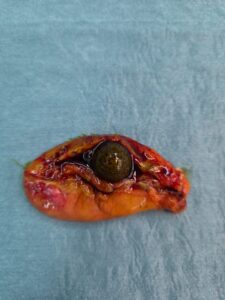
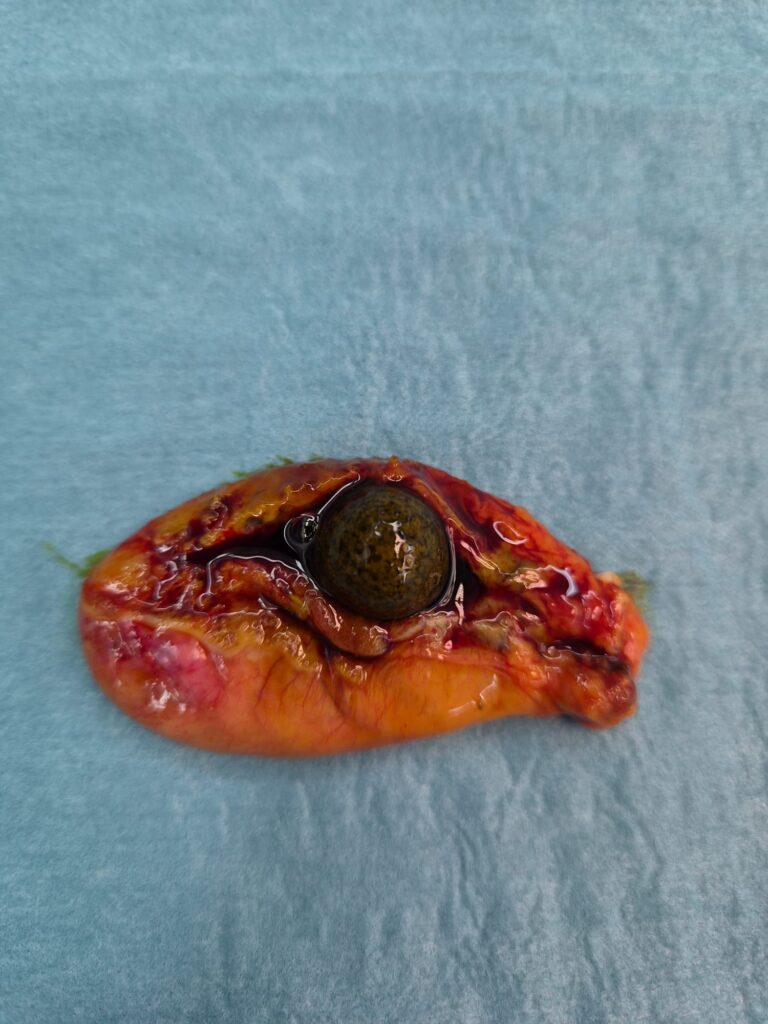
Key Surgical Principle: We do not operate on the stones themselves. We remove the whole gallbladder together with the stones. In the history of gallbladder surgery, if only the stones were removed and not the gallbladder, stones will certainly recur and cause the same problem.
2. Five Signs You Likely Need Gallbladder Surgery
You should consult a general surgeon for an evaluation if you experience any of the following key indicators:
a) Recurrent “Gallbladder Attacks” (Biliary Colic): Severe, aching pain above the umbilicus or in the upper right abdomen. The pain may radiate to your back or right shoulder blade. Attacks typically occurs 30 to 60 minutes after meals and may last for a number of hours.
b) Acute Cholecystitis (Gallbladder Inflammation): Constant, severe abdominal pain accompanied by fever and chills. This occurs when a gallstone permanently blocks the cystic duct, causing infection.
c) Jaundice (Yellowing of the Eyes or Skin): Occurs when a gallstone slips out of the gallbladder and blocks the common bile duct, preventing bile from draining into the intestine.
d) Gallstone Pancreatitis: A serious complication where a migrating stone blocks the pancreatic duct, causing severe inflammation of the pancreas.
e) Gallbladder Polyps Larger Than 1 cm: While polyps are often benign, larger polyps carry a higher risk of malignancy. Large polyps are recommended for surgical removal as a preventive measure for gallbladder malignancy.
3. What Does Gallbladder Removal Surgery Involve?
The standard surgical treatment for gallbladder conditions is a Laparoscopic Cholecystectomy (keyhole gallbladder surgery).
How Keyhole Surgery Works:
- Technique: Performed under general anaesthesia through 3 to 4 small incisions (5–10 mm) in the abdomen.
- Procedure: A tiny camera (laparoscope) and specialized instruments are used to carefully detach and extract the gallbladder.
- Duration: Typically takes 45 to 90 minutes.
- Hospital Stay: Most patients go home either the same day or after an overnight stay.
Compared to traditional open surgery, laparoscopic keyhole surgery results in significantly less post-operative pain, minimal scarring and a much faster return to work and daily activities (usually within 1 to 2 weeks).
4. Life After Gallbladder Removal: What Changes?
A common worry among patients is how their body will digest food without a gallbladder.
- Can you live normally without a gallbladder? Yes, absolutely. The gallbladder is a storage reservoir for bile, not the organ that produces it. Your liver continues to make bile, which flows directly into the small intestine to digest fats.
- Dietary adjustments: In the first few weeks after surgery, your body adapts to continuous bile flow. You may experience temporary mild indigestion or loose stools if you consume very greasy meals. A gradual return to a balanced diet is recommended, but long-term dietary restrictions are rarely necessary.
Summary: When to Seek Medical Evaluation
- Silent StonesNone (found incidentally) – Observation / Routine Monitoring
- Biliary Colic or Intermittent pain after oily meals – Elective Specialist Consultation
- Acute Cholecystitis – Persistent pain, fever, tenderness. Urgent Medical Evaluation
- Bile Duct Obstruction / Pancreatitis with yellow eyes/skin and dark urine – Immediate Emergency Care
Next Steps: What to Do Next
If you suspect your symptoms are linked to gallstones, an abdominal ultrasound scan is the fastest, non-invasive way to confirm the diagnosis. Early evaluation allows you to plan elective keyhole surgery safely before unexpected emergency complications arise. Do consult a specialist for treatment and management options.
Share this blog via:
- ← How to Choose the Right Surgeon for Your Gallbladder Surgery in Singapore
- “What is the function of my gallbladder?” →